Top 10 Ziyarat Places in Makkah Every Pilgrim Should Visit
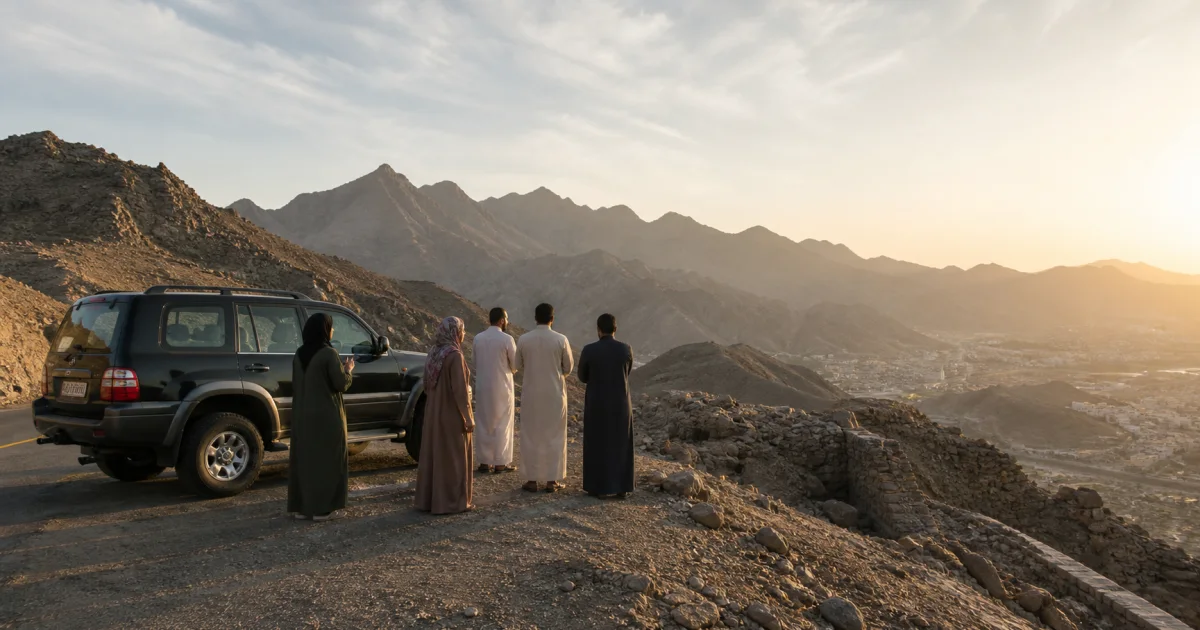
“The family has one free morning after Umrah, but every online list gives a different route. Which places can it genuinely visit without spending the whole day in traffic?”
That question is common among first-time pilgrims. Makkah has mountains, mosques, cemeteries, and Hajj landmarks spread across different sides of the city. The best Ziyarat places Makkah offers cannot all be treated as quick roadside photo stops. Some require walking, some may be viewed from an accessible base, and others can be restricted during the Hajj season.
Important before planning
Ziyarat is optional and is not one of the rites required to complete Umrah. The list below highlights ten meaningful locations that can shape a practical driving tour. Access conditions, opening arrangements, security controls, weather, and prayer times always take priority over a planned itinerary.
Which Ziyarat Places in Makkah Should a Pilgrim Visit?
A balanced route introduces the history of revelation and Hijrah, then passes through Hajj areas and historic mosques. It should leave time for rest. A driver provides transport, but religious rulings should come from a qualified scholar or confirmed guide.
| Place | Typical visit | Key caution |
|---|---|---|
| Hira Cultural District and Jabal al-Nour | 45 to 90 minutes | A cave climb needs separate time and fitness. |
| Jabal Thawr | 20 to 40 minutes at base | The summit climb is strenuous. |
| Arafat and Jabal al-Rahmah | 30 to 45 minutes | Seasonal traffic controls can apply. |
| Masjid Namirah | 15 to 30 minutes | Entry may not always be available. |
| Muzdalifah | 15 to 25 minutes | Treat it as a historical route stop outside Hajj. |
| Mina | 20 to 40 minutes | Hajj-period access is tightly managed. |
| Masjid al-Khayf | 15 to 25 minutes | Access depends on current arrangements. |
| Masjid Aisha at Taneem | 30 to 45 minutes | Ask a scholar about ihram questions. |
| Jannat al-Mu'alla | 15 to 30 minutes | Follow cemetery access rules. |
| Hudaybiyyah area | 30 to 45 minutes | It sits away from the central circuit. |
1. Hira Cultural District and Jabal al-Nour
Jabal al-Nour is home to the Cave of Hira, where the first revelation came to the Prophet Muhammad, peace be upon him. Hira Cultural District offers a visitor centre, the Revelation Gallery, the Holy Quran Museum, rest areas, and access toward the ascent route. Families can learn about the site even when climbing is unsuitable.
A taxi can reach the district and agreed drop-off area, but it cannot carry passengers to the cave. The ascent should be considered a separate physical activity. Heat, crowding, footwear, hydration, daylight, and health all matter. Elderly pilgrims and people with heart, breathing, knee, or balance concerns should not feel pressured to climb.
2. Jabal Thawr and the Cave of Thawr
Jabal Thawr is connected with the Hijrah from Makkah to Madinah and the refuge taken by the Prophet, peace be upon him, and Abu Bakr. Most vehicle tours stop near an accessible base or viewpoint to discuss the historical setting.
The cave is high on the mountain, and reaching it is not a short stroll. A normal half-day tour does not include enough time for a safe ascent and return. The family should avoid claims that every passenger can simply “visit the cave” from a taxi. For many pilgrims, viewing the mountain and understanding its history is the sensible option.
3. Arafat and Jabal al-Rahmah
The plain of Arafat is central to Hajj and lies east of Makkah. Outside the Hajj days, it is commonly included in a driving route so Umrah visitors can understand the geography of the pilgrimage. Jabal al-Rahmah is a recognisable landmark within the area.
Visitors should not invent special rites for the hill or write on rocks and structures. A calm stop, historical explanation, and respectful observation are more appropriate. During Hajj operations, access and vehicle movement may be restricted, redirected, or unavailable.
4. Masjid Namirah
Masjid Namirah stands in the Arafat area and is associated with the Hajj sermon and prayers on the Day of Arafah. It fits naturally into the same section of the route, so it should not require a separate cross-city journey.
A tour should never guarantee entry. Opening conditions and managed access can change, and viewing the exterior may be the only available option. The driver should use permitted roads and stopping points rather than causing an obstruction near the mosque.
5. Muzdalifah
Muzdalifah lies between Arafat and Mina and forms an essential stage of Hajj. For a visitor outside the pilgrimage days, travelling through the area helps connect the locations previously known only from maps or Hajj lessons.
It is usually a short stop rather than a long visit. Collecting stones or copying Hajj actions outside their proper context should not be treated as the purpose of the tour. Religious questions about the rites belong with a qualified guide or scholar.
6. Mina
Mina is known for its vast tent city and its role in the days of Hajj. From a permitted road, a visitor may see the scale of the area and better understand how millions of pilgrims are accommodated and moved.
Mina changes dramatically during the Hajj period. Checkpoints, authorised transport plans, and road restrictions can make an ordinary taxi tour impossible. Outside peak operations, a driver may include it between Muzdalifah and the return toward central Makkah, subject to current access.
7. Masjid al-Khayf
Masjid al-Khayf is a historic mosque in Mina and is frequently named on Makkah Ziyarat lists. Its position makes it a logical addition when the route already passes through the sacred sites.
Visitors should understand that being nearby does not ensure the mosque will be open or approachable. If access is restricted, the itinerary should continue without unsafe parking, arguments with staff, or delays that affect the rest of the group.
8. Masjid Aisha at Taneem
Masjid Aisha, also called Masjid al-Taneem, is a well-known miqat location close to Makkah. It is often requested by visitors who intend to enter ihram for another Umrah, but it can also appear on a broader historical route.
The taxi supplies transport only. Whether a traveller should perform another Umrah, when ihram is required, and how it should be entered are religious matters. The passenger should obtain reliable guidance rather than depending on a driver's personal opinion.
9. Jannat al-Mu'alla Cemetery
Jannat al-Mu'alla is a historic cemetery in Makkah associated with members of the Prophet's family and early Muslims. Its central location can make it easier to pair with the beginning or end of a tour, depending on traffic and the hotel's location.
Cemetery etiquette is especially important. Visitors should observe permitted times and areas, keep voices low, avoid intrusive photography, and follow the directions of officials. Entry conditions may differ among visitors and can change.
10. Hudaybiyyah and the Historic Mosque Area
Hudaybiyyah is associated with the Treaty of Hudaybiyyah, an important event in the Prophet's biography. It lies west of central Makkah and is farther from the Arafat, Muzdalifah, and Mina circuit. For that reason, it is often treated as an extended-tour stop rather than squeezed into a short itinerary.
A family that considers Hudaybiyyah a priority should tell the operator before receiving a quote. Adding it after departure may increase distance, time, and price. Site conditions and the precise stopping arrangement should be confirmed locally.
What Is the Best Route for Makkah Ziyarat?
A sensible order depends on hotel location and current roads, but one common structure is hotel pickup, Hira district, Thawr base, Arafat, Namirah, Muzdalifah, Mina, and Al-Khayf before returning toward the city. Taneem and Hudaybiyyah sit in other directions, so including both may turn a half-day circuit into a longer booking. Al-Mu'alla can be placed near the beginning or end.
A short tour normally chooses five or six main stops. A broad route covering all ten should allow five to seven hours, possibly longer with museum time, prayers, traffic, or extended walking. A dedicated Makkah Ziyarat taxi can keep the same vehicle and adjust stop length within the confirmed hours.
Practical Tips for Ziyarat Places Makkah Visitors Choose
- Begin early to reduce heat exposure and allow a buffer around prayer times.
- Carry water, sun protection, identification, medication, and comfortable footwear.
- Declare wheelchairs, walkers, pushchairs, and extra luggage before the vehicle is assigned.
- Confirm whether the booking is transport only or includes a separately identified guide.
- Ask for the route, total price, included hours, waiting policy, and overtime charge in writing.
- Keep optional sites flexible because current security and road instructions can change.
Families continuing to Madinah can also review the Madinah Ziyarat taxi service. Planning the two cities separately gives each route enough time and keeps the vehicle suitable for the group's size and mobility needs.
Frequently Asked Questions
How many Ziyarat places Makkah-wide can pilgrims visit?
Makkah has many religious and historical landmarks, so there is no single fixed tour list. Most private circuits select between five and ten accessible places according to time and current restrictions.
Can all ten Makkah Ziyarat places be visited in one day?
They can sometimes fit into a five-to-seven-hour driving plan, but long museum visits or mountain climbs will require more time. Seasonal access controls may also remove stops from the route.
Is climbing Cave Hira necessary?
No. Climbing is not part of Umrah, and a visitor can learn about the history from the base and Hira Cultural District. Health and safety should come first.
Can pilgrims visit Mina and Arafat outside Hajj?
These areas are often included in tours outside Hajj, subject to road and security conditions. During Hajj operations, access can be restricted to authorised people and vehicles.
How much time is needed for Makkah Ziyarat?
Three to four hours suit a selected main-sites route. Five to seven hours are more realistic for a wider itinerary without a mountain climb.
Does a Ziyarat taxi driver provide religious guidance?
Not automatically. A driver manages transport and waiting. A qualified scholar or confirmed guide should answer religious and detailed historical questions.
Private Makkah Ziyarat
Build a Route That Fits the Family
The booking team can arrange a suitable vehicle and confirm the preferred sites, pickup time, included hours, and total quote before departure.
Book on WhatsAppRelated Taxi and Ziyarat Services
Continue planning your journey with these relevant services from Umrah Ziyarat Service:
